Essential Guide to Notion Project Management for 2026
Master Notion project management in 2026 with expert tips, advanced workflows, AI enhancements, and proven strategies to boost productivity for any team.
Digital workspaces are changing faster than ever, and teams in 2026 face a growing need for efficient project coordination. As organizations seek tools that simplify workflows, Notion has become a leader in all-in-one solutions. This essential guide to notion project management delivers everything you need to boost productivity, from core features and setup to advanced workflows and AI-powered enhancements. Discover how customizable workspaces and expert strategies can help you stay ahead. Ready to transform your project management approach? Let’s dive in.
Why Notion for Project Management in 2026?
As digital workplaces evolve, the need for systems that unify information and tasks becomes critical. In the context of notion project management, Notion’s all-in-one platform stands out as a transformative force for teams seeking efficiency and clarity.
The All-in-One Workspace Revolution
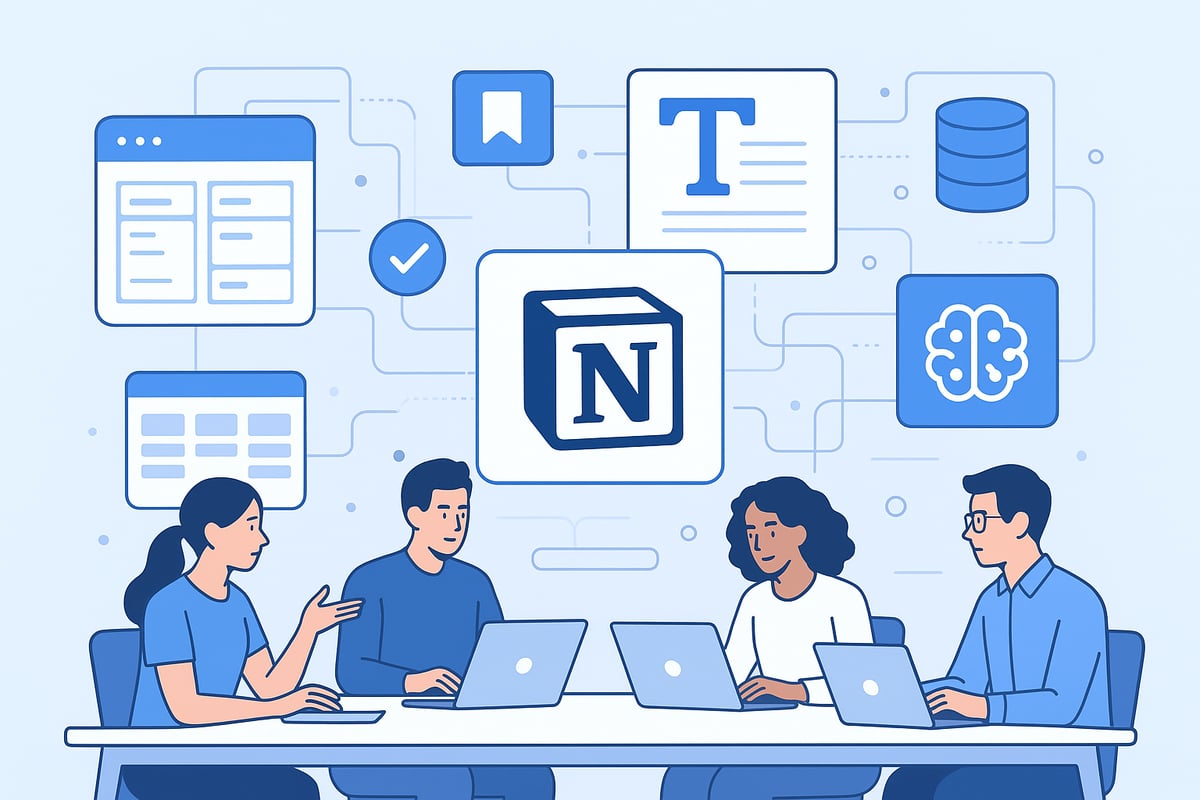
Notion has redefined how organizations approach notion project management by acting as a central hub, replacing fragmented tools for notes, wikis, tasks, and databases. Its integration with platforms such as Google Workspace and Slack means teams spend less time switching between applications and more time focused on high-value work.
The adoption rate is telling: over 20,000 teams now rely on Notion for project management, demonstrating a clear shift away from siloed solutions. Centralizing information not only streamlines collaboration but also reduces errors and duplicate work. For those new to this approach, the Notion for Project Management Guide offers a practical overview of setup and strategy.
Key Features That Set Notion Apart
The breadth of features in notion project management is what makes Notion uniquely appealing. Teams benefit from:
Wikis for centralized documentation and knowledge sharing
Kanban boards for visualizing workflows
Flexible database views: list, timeline, calendar, gallery, and table
Project pages as adaptable canvases for any project type
Notion AI for automated content generation and meeting notes
For instance, marketing departments use Notion to coordinate campaigns, build content calendars, and manage assets, all within a unified interface.
Notion’s Flexibility for Teams of All Sizes
One of the most significant strengths of notion project management lies in its adaptability. Startups, small businesses, large enterprises, and even educational institutions leverage Notion to tailor workspaces to their exact needs.
Customizable templates support engineering, marketing, and product teams, while personal dashboards empower individual contributors to track their own tasks. Regardless of organizational size, Notion adapts to diverse workflows and team structures.
Notion vs. Traditional Project Management Tools
How does notion project management compare to established tools? Consider the following table:
Feature | Notion | Traditional PM Tools |
|---|---|---|
Customization | High | Moderate |
All-in-one Design | Yes | Often fragmented |
Affordability | Competitive | Varies |
Learning Curve | Steeper | Usually easier |
Advanced PM Features | Limited (native) | More built-in options |
While Notion excels in customization and unified design, it offers fewer built-in advanced project management features than some competitors. However, its growing marketplace of templates and integrations continues to close the gap.
Limitations to Consider
Despite its strengths, notion project management is not without challenges. There are no native Gantt charts or portfolio views, and advanced reporting or time tracking often requires third-party integrations or manual workarounds.
For example, teams needing detailed dependency visualization may find Notion less accommodating out of the box. Understanding these limitations helps organizations make informed choices and plan for necessary enhancements.
The 2026 Landscape: Why Notion Remains a Top Choice
Notion continues to lead in notion project management due to its rapid innovation. With ongoing updates like AI-powered enhancements, enterprise-grade search, and improved database automations, Notion keeps pace with evolving workplace needs.
The expanding template marketplace and active community contribute to a vibrant ecosystem. Notion’s flexibility ensures it remains relevant for hybrid and remote teams, positioning it as the project management tool of choice in 2026.
Step-by-Step: Setting Up Notion for Project Management
Setting up a robust notion project management system begins with a clear plan and structured approach. Whether you are new to Notion or looking to optimize your current setup, following these steps ensures your workspace remains organized and scalable.
Step 1: Planning Your Workspace Structure
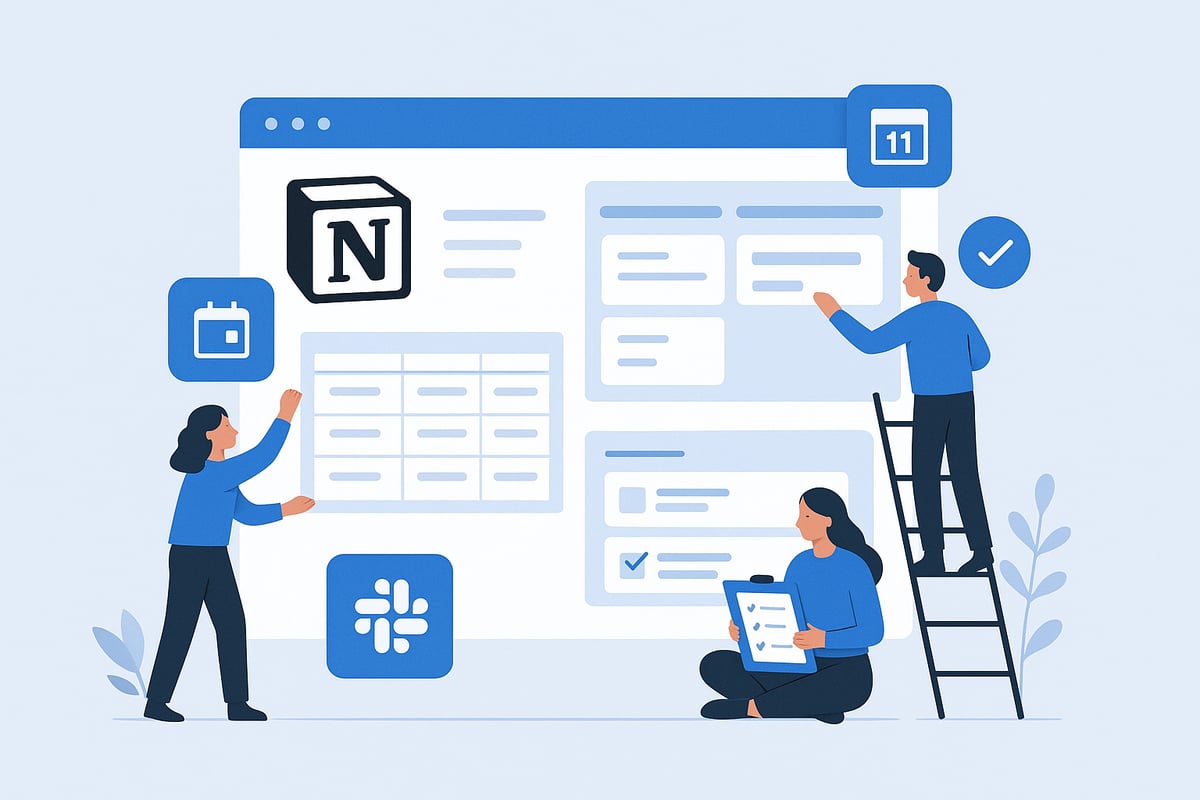
Start by mapping out your hierarchy in notion project management. Define broad categories like Workspace, Team spaces, Projects, Tasks, and Subtasks. This structure helps everyone understand where information lives and accelerates navigation.
Use clear naming conventions for each level. For example, a marketing department might have spaces labeled "Campaigns," "Content," and "Analytics." This makes it easier for team members to locate resources quickly.
Create a navigation page or sidebar for top-level access. This ensures your notion project management setup stays intuitive, even as your team grows.
Step 2: Creating Project Pages and Databases
Project pages serve as the foundation for notion project management. Begin by creating a new page for each project, then add databases to organize tasks, milestones, and deliverables. Notion offers several database types: Table, Board, List, Calendar, and Gallery.
Leverage templates to speed up setup and maintain consistency. Many users jumpstart their workflow with a Notion Project Manager Dashboard Template, which provides a ready-made structure for tracking progress.
Customize properties in each database to include priorities, deadlines, and assignees. This ensures your notion project management system adapts to any project type.
Step 3: Customizing Database Views
Notion project management thrives on flexible database views. Set up Kanban boards for task tracking, with columns like "To Do," "Doing," and "Done." Switch to Timeline view for mapping out project roadmaps, even though full dependency management is limited.
Calendar views help visualize upcoming deadlines and milestones at a glance. For product teams, combining timeline and board views gives a comprehensive look at feature launches and development cycles.
Experiment with different views to find what aligns best with your team's workflow. This keeps your notion project management approach dynamic and responsive.
Step 4: Leveraging Notion Blocks for Flexibility
The building blocks of notion project management are its content blocks. Use text, headings, checklists, images, and embeds to create rich, interactive project pages. Drag and drop blocks to restructure information as project needs evolve.
For example, add a checklist block for meeting agendas or an embed block for design mockups. Creating a dedicated section for meeting notes within each project page centralizes communication and reference materials.
Blocks offer the flexibility to tailor each project page, ensuring your notion project management system supports a wide range of workflows.
Step 5: Collaborating and Assigning Tasks
Effective collaboration is at the heart of notion project management. Add team members to relevant pages or databases, set permissions to control access, and share pages for cross-functional visibility.
Assign tasks directly within databases by adding an "Assignee" property. Set due dates, attach files, and track progress with status fields. Use comments and discussions to provide feedback asynchronously, reducing the need for constant meetings.
An engineering team, for example, can manage sprints by assigning tasks and using comments to clarify requirements. This keeps all project-related communication within your notion project management environment.
Step 6: Integrating with Other Tools
Enhance your notion project management system by connecting it with other productivity apps. Sync Google Calendar to keep deadlines visible, or link Slack for instant notifications. Notion's API and third-party integrations allow for automated workflows, like creating tasks from incoming emails.
Use platforms that support automation to bridge gaps in reporting or time tracking. For instance, automate routine task creation or updates based on activity in other tools, ensuring your notion project management process remains efficient.
Regularly review available integrations to expand functionality and streamline your team's daily operations.
Advanced Project Management Workflows in Notion
The evolution of notion project management has unlocked powerful workflows that help teams streamline complex initiatives. By leveraging advanced features, organizations can automate repetitive tasks, boost visibility, and foster real-time collaboration. Let’s explore how to elevate your project management with Notion’s most impactful capabilities.
Automations and Database Relationships
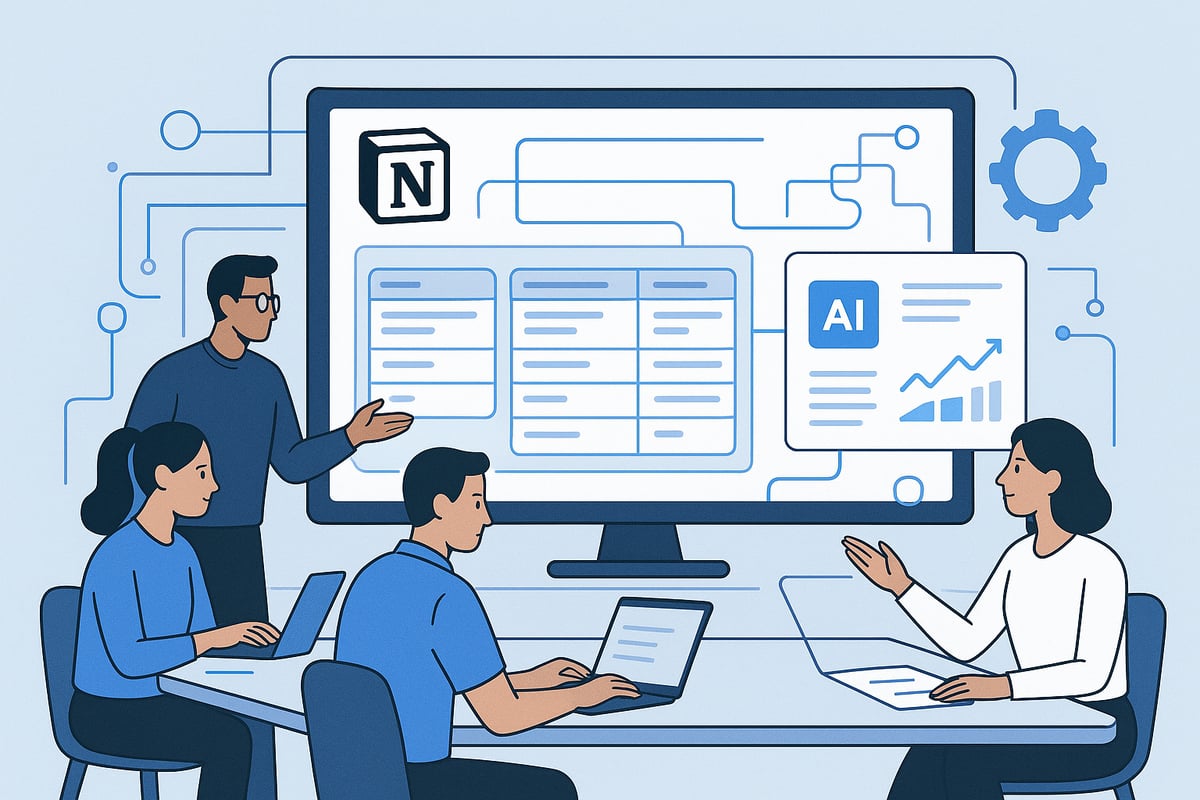
Automating routine actions is essential for scaling notion project management. Notion’s built-in automations allow you to trigger status updates, send reminders, or move tasks between boards based on specific criteria.
Take advantage of database relations and rollups to connect projects, tasks, and resources. For instance, link a task database to a client list, making it easy to see which client each deliverable belongs to. Rollups then summarize progress or deadlines across related databases, creating a single source of truth.
Here’s a sample automation using Notion’s API:
By combining automations with strong relational databases, you minimize manual work and reduce errors in notion project management.
Building Custom Dashboards
Custom dashboards provide a bird’s-eye view of your notion project management landscape. Start by linking databases, widgets, and filtered views to display real-time data on task completion, deadlines, or project priorities.
Common dashboard components include:
Project status overviews
Upcoming deadlines
Priority task lists
Resource allocation charts
A typical executive dashboard might combine list, board, and timeline views for a holistic project snapshot. Use color-coded indicators to highlight urgent issues or achievements. Tailored dashboards ensure stakeholders always have the information they need, streamlining decision-making in notion project management.
Managing Multiple Projects and Portfolios
Handling several projects at once is a hallmark of mature notion project management. While Notion lacks a native portfolio view, you can use filtered databases and linked views to aggregate milestones, deadlines, and dependencies across projects.
Consider this simple table to track multiple campaigns:
Project Name | Status | Deadline | Owner |
|---|---|---|---|
Website Relaunch | Active | 2026-04-15 | Marketing |
App Update | Planning | 2026-05-01 | Product |
By filtering and linking these databases, managers oversee all initiatives from one place. This approach is especially useful for marketing or product leaders juggling several concurrent projects within notion project management.
Advanced Collaboration Features
Modern teams thrive on seamless collaboration, and notion project management offers robust tools to support this. Real-time editing enables multiple users to update pages simultaneously, reducing the need for frequent meetings.
Utilize comments and discussions directly within project pages for asynchronous feedback. Version history allows you to track changes and revert if necessary, ensuring information integrity. Offline access is available for continued productivity, even during connectivity issues.
These features empower remote and hybrid teams to collaborate efficiently, making notion project management a strong contender for distributed organizations.
Notion AI: Supercharging Project Management in 2026
AI has become a game changer in notion project management, automating documentation, summarizing project updates, and generating actionable insights. Notion AI can transcribe meetings, draft reports, and even suggest task prioritization to keep teams on track.
For a deeper dive into these capabilities, explore the Advanced Notion AI Features guide, which details the latest AI-powered enhancements for project management.
With AI-driven search and content generation, Notion transforms raw data into strategic decisions, giving your team a competitive edge in notion project management.
Tips for Overcoming Notion’s Limitations
While notion project management is flexible, some limitations require creative solutions. For example, native Gantt charts and advanced reporting are not yet built-in, but third-party integrations can bridge these gaps.
Best practices include:
Integrating time tracking and reporting tools
Standardizing workflows with reusable templates
Regularly auditing databases to ensure clarity
Teams often use external Gantt chart plugins or connect Notion with analytics platforms for deeper insights. By proactively addressing these challenges, you can unlock the full potential of notion project management.
Best Practices for Effective Project Management in Notion
Effectively using notion project management requires more than just setting up databases or assigning tasks. To unlock true productivity, teams must adopt best practices that ensure clarity, consistency, and continuous improvement. Here are essential strategies to optimize your workflow and get the most out of Notion.

Establishing Clear Processes and Structure
Start by creating standardized templates for recurring projects and workflows. Templates help maintain consistency across teams and reduce onboarding time for new members. Document onboarding guides and process documentation directly within your notion project management workspace. This approach ensures that everyone has access to reliable information and clear expectations from day one.
Include checklists and resource links in onboarding pages. This not only streamlines training but also reinforces best practices throughout your workspace.
Maintaining Clarity and Avoiding Overwhelm
A common pitfall in notion project management is workspace clutter. Prevent this by archiving outdated pages, using clear naming conventions, and performing regular audits. Limit the number of pages and databases to only what is essential for your team’s goals.
Schedule weekly workspace reviews to keep things tidy. Encourage team members to flag redundant or unclear pages for review, keeping the environment focused and efficient.
Ensuring Team Adoption and Training
Successful notion project management hinges on team buy-in. Provide comprehensive training resources, such as video tutorials or live walkthroughs, to help users feel confident. Offer ongoing support and encourage feedback to refine workflows and address pain points.
Teams that prioritize onboarding and continuous learning see higher adoption rates and productivity gains. Make it easy for members to ask questions and share suggestions for improvement.
Leveraging Community Templates and Resources
Take advantage of Notion’s growing template marketplace, which offers a wide range of solutions for different industries and use cases. Adapting public templates can save setup time and inspire process improvements. For example, using a pre-made content calendar template is a smart way for marketing teams to get started.
Understanding how to use database views is also critical. Resources like Notion Database Views Explained provide step-by-step guidance for customizing your views, which is fundamental for effective notion project management.
Security, Permissions, and Data Management
Protect sensitive data by setting up robust permissions within your workspace. Assign access levels based on roles and responsibilities, ensuring that only authorized users can view or edit confidential information. Schedule regular data backups and exports to safeguard your organization’s knowledge base.
Finance or HR teams can use restricted pages to manage budgets or personnel files securely. Make data management a routine part of your project workflows.
Measuring and Improving Project Performance
Track progress by defining KPIs within your dashboards and using custom properties in databases. Integrate reporting tools when advanced analytics are needed. Monthly progress reviews help identify bottlenecks and celebrate wins.
For deeper insight into optimizing notion project management, consult resources like Notion's project management features, which detail practical strategies for tracking and analyzing team performance.
The Future of Notion Project Management: Trends and Predictions for 2026
What does the future hold for notion project management in a rapidly evolving digital landscape? As teams and organizations demand even more agility, Notion is poised to deliver advanced features that will transform the way projects are managed. The coming years promise smarter tools, deeper integrations, and a workspace that adapts to the changing nature of collaboration.
AI and Automation: The Next Frontier
Artificial intelligence is set to redefine notion project management. With the introduction of autonomous AI agents, teams will experience a new level of workflow automation and predictive insights. These agents can handle repetitive tasks, generate reports, and even suggest actions based on project data. Notion 3.0’s recent update, which introduces AI agents to automate complex workflows, signals a major leap forward. Expect smarter task suggestions, automated meeting notes, and real-time data analysis to become standard. The result is a workspace that anticipates your needs, making project management more efficient and insightful.
Enhanced Collaboration Features
Collaboration is at the heart of notion project management, and future versions will likely make teamwork even more seamless. Anticipate improvements in real-time editing, threaded discussions, and more dynamic commenting systems. Industry experts predict Notion may introduce native chat or video features, reducing reliance on external communication apps. These enhancements will help distributed teams stay connected, share ideas instantly, and resolve issues faster. As hybrid and remote work continue to grow, Notion’s commitment to robust collaboration tools will remain a key differentiator.
Portfolio and Resource Management Evolution
One of the most requested features for notion project management is native portfolio and resource management. In 2026, we can expect Notion to roll out advanced Gantt charts, portfolio views, and resource allocation tools. These additions will empower project managers to oversee multiple projects, track dependencies, and optimize resource usage from a single dashboard. Market demand is driving these innovations, ensuring Notion remains competitive for organizations managing complex initiatives. Teams will benefit from a more holistic view of progress, risks, and opportunities.
Integration Ecosystem Expansion
The integration ecosystem is crucial to the future of notion project management. Notion will likely expand its native integrations and API capabilities, making it easier to connect with CRM, analytics, and time tracking tools. As highlighted in reviews of Notion's integration capabilities, seamless workflows across finance, HR, and sales are becoming the norm. Expect more automation, faster data syncing, and the ability to create custom workflows that span multiple platforms. This interconnectedness will save time and reduce manual work for teams of all sizes.
Community and Marketplace Growth
The Notion community is already vibrant, and by 2026, it will be even more influential in shaping notion project management. Certified creators and power users will continue to share high-quality templates, plugins, and workflow best practices. Platforms like BlocksPad will drive innovation in template design, making it easier for teams to adopt proven solutions. The marketplace will feature a wider range of specialized templates, from marketing calendars to engineering dashboards, helping organizations stay agile and efficient.
Remote and Hybrid Work Adaptation
Remote and hybrid work trends will shape the evolution of notion project management. Notion is expected to enhance offline capabilities and improve mobile-first experiences, ensuring productivity is not limited by location. Features like real-time sync, mobile widgets, and offline access to critical documents will support distributed teams. As organizations embrace flexible work arrangements, Notion’s adaptability will help maintain alignment and momentum across projects, regardless of where team members are located.
Data Security and Compliance Advancements
Security and compliance will remain top priorities for notion project management as more enterprises adopt the platform. Future updates will likely introduce more granular permissions, advanced audit trails, and stronger encryption. These enhancements will help organizations comply with industry regulations and protect sensitive project data. Regular security reviews and transparent compliance reporting will give project managers confidence in using Notion for confidential workstreams.
Final Thoughts on Staying Ahead
To thrive with notion project management in 2026, teams must embrace continuous learning and experimentation. The evolving feature set, growing template marketplace, and expanding integration options offer endless opportunities for improvement. By staying informed and leveraging both built-in and third-party resources, organizations can ensure they are always ahead of the curve.
As you explore the possibilities of mastering Notion for project management in 2026, it’s clear how much efficiency and clarity you can unlock with the right setup. Whether you’re building your first workspace or fine tuning advanced workflows, having expertly crafted templates can make all the difference—saving you time and helping you focus on what matters most. If you’re ready to take the next step and simplify your project management journey, I recommend you Discover Notion Templates curated for every need. Explore options that fit your style and start building a more organized, productive future today.