Comprehensive Guide to Mastering Your Finance Tracker in 2025
Master your finance tracker in 2025 with expert tips on setup, automation, analytics, and security. Achieve your financial goals with this comprehensive guide.
In 2025, mastering your personal finances is more than a smart move, it is vital for your financial security and growth. Many people find it challenging to monitor spending, savings, and financial goals, which can lead to unnecessary stress and missed opportunities.
Today’s advanced finance tracking apps and digital solutions make organizing your money more powerful and accessible than ever. Imagine having the ability to manage every dollar with confidence, forecast your financial future, and reach your goals with precision.
This guide will walk you step by step through optimizing your finance tracker for 2025. You will learn how to set up, customize, and maximize your tracker for the best results. We will cover choosing the right tool, setup, automation, analytics, and the best practices to ensure ongoing success.
Choosing the Right Finance Tracker for 2025
Selecting the right finance tracker in 2025 is a critical step for anyone who wants to take control of their money. With so many options and features available, understanding how to align your choice with your unique needs is essential. Whether your goal is to budget more effectively, save for a big purchase, or manage investments, a well-chosen finance tracker can make all the difference.

Understanding Your Needs and Financial Goals
Before you select a finance tracker, clarify your financial objectives. Are you focused on budgeting, building savings, investing, or paying off debt? Make a list of your top priorities, as this will guide your decision.
Next, identify must-have features for your finance tracker. Consider whether you need:
Multi-account support for checking, savings, and credit cards
Mobile access for tracking on the go
Detailed reporting and analytics
Strong security and privacy controls
Think about your comfort with technology and whether you prefer mobile, desktop, or cloud-based platforms. Data security should be a central consideration, especially in 2025, as privacy concerns continue to grow. Look for finance tracking solutions that offer robust encryption and compliance with privacy laws.
Integration is also key. Does your chosen finance tracker connect with your bank, payment apps, or investment accounts? For example, if you are an investor, you may need advanced portfolio tracking tools. If you are a student, features like expense categorization and shared tracking with roommates could be critical.
Comparing Top Finance Tracker Options
The finance tracker landscape in 2025 is more diverse than ever. Leading apps and tools range from free options with basic features to premium platforms offering advanced analytics and automation.
Mobile finance tracker apps are gaining popularity, with Statista reporting that 60% of users now prefer mobile apps for daily tracking. Key differences include:
Free vs paid models
Manual vs automatic syncing of transactions
Depth of customization (categories, dashboards)
User ratings and adoption statistics
Unique features like AI-powered insights, shared accounts, and real-time goal tracking are shaping the finance tracker market. Decide if you need desktop, mobile, or web-based platforms. Consider reading user reviews and adoption data before making your final choice.
Cost, Accessibility, and Support
Pricing models for finance tracker tools vary, including subscriptions, one-time purchases, and freemium tiers. Consider what fits your budget and how often you plan to use the app. Also, check device compatibility—does your finance tracker work on iOS, Android, Windows, or Mac?
Customer support is vital, especially if you encounter technical issues or need help with setup. Look for platforms that offer responsive support channels and active user communities. Community forums can be especially helpful for troubleshooting or learning advanced tips.
For those seeking flexible and affordable options, Notion-based templates are an excellent alternative. For example, you might explore the Notion shared expenses tracker if you want to manage finances with a roommate, partner or friend. Templates like these offer adaptability and shared access, making them a practical finance tracker solution for many users.
When choosing your finance tracker, balance cost, accessibility, and the level of support available. This ensures a smooth experience and ongoing success as you manage your finances in 2025.
Step-by-Step: Setting Up Your Finance Tracker
Setting up your finance tracker is the foundation for gaining control over your financial life in 2025. A thoughtful setup ensures security, clarity, and effortless management from the very first day. Whether you're a beginner or a seasoned user, following a structured approach will help you harness the full power of your finance tracker.

Initial Account Setup and Security
Begin your financial journey by creating a secure account. Use a unique, strong password and enable multi-factor authentication, which is a standard feature in 2025. This step protects your sensitive financial data from unauthorized access.
Next, link your bank accounts, credit cards, and payment services to your finance tracker. Most modern platforms support secure connections to multiple institutions, allowing you to view all your finances in one dashboard. If you manage finances with a partner or family, set up user roles or shared access to streamline collaboration and transparency.
Security should remain at the forefront. Regularly review your finance tracker’s privacy settings and enable notifications for any unusual login attempts. With these simple yet crucial steps, you set a solid foundation for safe, seamless financial management. Remember, a secure setup is the key to fully leveraging your finance tracker.
Customizing Categories and Budgets
Personalization is what transforms a generic finance tracker into a powerful tool tailored to your lifestyle. Start by creating custom categories for both income and expenses. For example, students may need categories for tuition, rent, textbooks, and groceries, while families might focus on childcare, utility bills, and savings goals.
Establish budgets for each category, whether monthly, weekly, or project-based. This approach keeps your spending on track and highlights areas where you can save or invest more. Many platforms allow you to import past financial data, providing valuable historical context for smarter planning.
If you are looking for a ready-made solution, consider using an Annual Budget Planner, which simplifies the process of tracking budgets and expenses. Customizing your finance tracker ensures every dollar is accounted for, making it easier to achieve your financial goals and adapt as your needs change.
Syncing and Importing Data
Efficient data management is crucial for accurate, real-time insights. Most users prefer automatic syncing, which allows your finance tracker to pull transactions directly from your bank and payment apps. This not only saves time but also minimizes errors from manual entry. According to the FinTech Report 2024, 80% of finance tracker users have automated account syncing.
For cash expenses or sources not supported by automatic connections, manual entry remains an option. Many finance trackers offer simple forms or mobile input features for this purpose. If you encounter syncing issues, check your tracker’s support resources or troubleshooting guides for quick fixes.
By integrating both automatic and manual processes, you ensure your finance tracker reflects your complete financial picture. This comprehensive approach supports better decision-making and long-term success.
Essential Features to Maximize in 2025
Unlocking the full potential of your finance tracker means understanding and utilizing its most powerful features. In 2025, these tools are smarter, more intuitive, and more comprehensive than ever. By focusing on the essential elements below, you can transform the way you manage your money and ensure your financial tracker works as hard as you do.
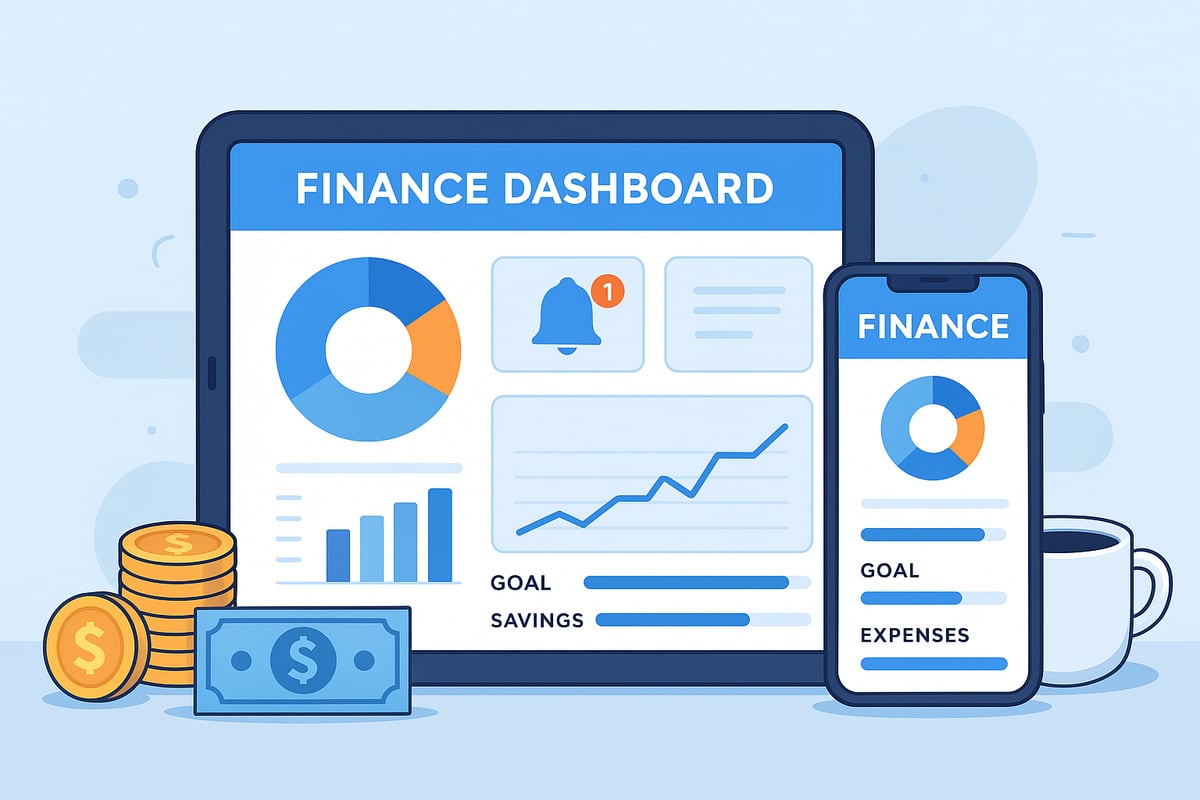
Advanced Budgeting and Forecasting Tools
The heart of every finance tracker is its budgeting and forecasting capability. In 2025, these tools leverage AI to offer predictive analytics and dynamic budget planners that adjust to your changing habits.
You can set up recurring expenses, monitor income streams, and receive AI-powered suggestions for saving and spending. For example, if your utility bill spikes, your finance tracker can alert you and propose ways to save.
Use built-in planners to map out monthly, quarterly, or annual budgets.
Rely on AI for personalized insights and spending alerts.
Set up custom rules for recurring transactions.
To streamline your planning, consider integrating an Annual budget planner template for a detailed, year-round overview. With these tools, your finance tracker moves from passive record-keeping to active financial coaching.
Real-Time Notifications and Alerts
Staying informed is crucial. Modern finance tracker platforms offer real-time notifications for everything from low balances to bill due dates and unexpected transactions.
You can customize alerts by type and delivery method, choosing between push notifications, email, or SMS. For instance, if your account balance drops below a set threshold, you receive an instant alert.
Set up low balance and large transaction notifications.
Enable real-time fraud alerts for added security.
Choose preferred notification channels for maximum convenience.
This proactive approach helps you avoid missed bills, overdraft fees, or potential fraud, ensuring your finance tracker keeps you one step ahead.
Goal Tracking and Visualization
Achieving financial goals is easier when you can see your progress. A finance tracker in 2025 offers robust goal-setting features, allowing you to define and monitor objectives like building an emergency fund, saving for a vacation, or paying off debt.
Visual dashboards display your progress using charts, graphs, and progress bars. For example, you might set a $10,000 savings goal and watch your progress update in real time as you contribute.
Create multiple goals with individual timelines.
Use visual tools to measure and motivate progress.
Adjust goals as your priorities change.
With these visualization features, your finance tracker becomes a motivational tool that keeps you focused and accountable.
Multi-Account and Multi-Currency Management
Managing multiple accounts is standard in 2025, and your finance tracker should support seamless integration. Whether you have checking, savings, credit, or investment accounts, a unified dashboard brings everything together.
For those who travel or earn in different currencies, multi-currency support is essential. Freelancers managing USD and EUR accounts, for example, benefit from real-time currency conversion and consolidated reporting.
Link all bank, credit, and investment accounts in one place.
Track balances and transactions across various currencies.
Simplify financial management for families, freelancers, and travelers.
A finance tracker with these capabilities ensures no account or currency is left out of your financial picture.
Data Exporting and Reporting
Comprehensive reporting is vital for understanding and improving your finances. Your finance tracker should allow you to generate monthly, quarterly, and annual reports, helping you analyze trends and prepare for tax season.
Exporting data to CSV, PDF, or directly into tax software streamlines record-keeping and compliance. For example, categorized expense reports simplify filing taxes and tracking deductible expenses.
Generate custom reports on spending, income, and investments.
Export data for use with accountants or tax software.
Prepare for audits or financial planning reviews efficiently.
With these data features, your finance tracker becomes an indispensable tool for both daily management and long-term planning.
Automation and Integrations: Saving Time and Reducing Errors
Automating your finances in 2025 is a game-changer for efficiency and accuracy. Instead of juggling spreadsheets and manual updates, you can leverage modern tools to streamline every aspect of your financial life. Let’s explore the essential automation features and integrations available, and see how they can transform your finance tracker experience.
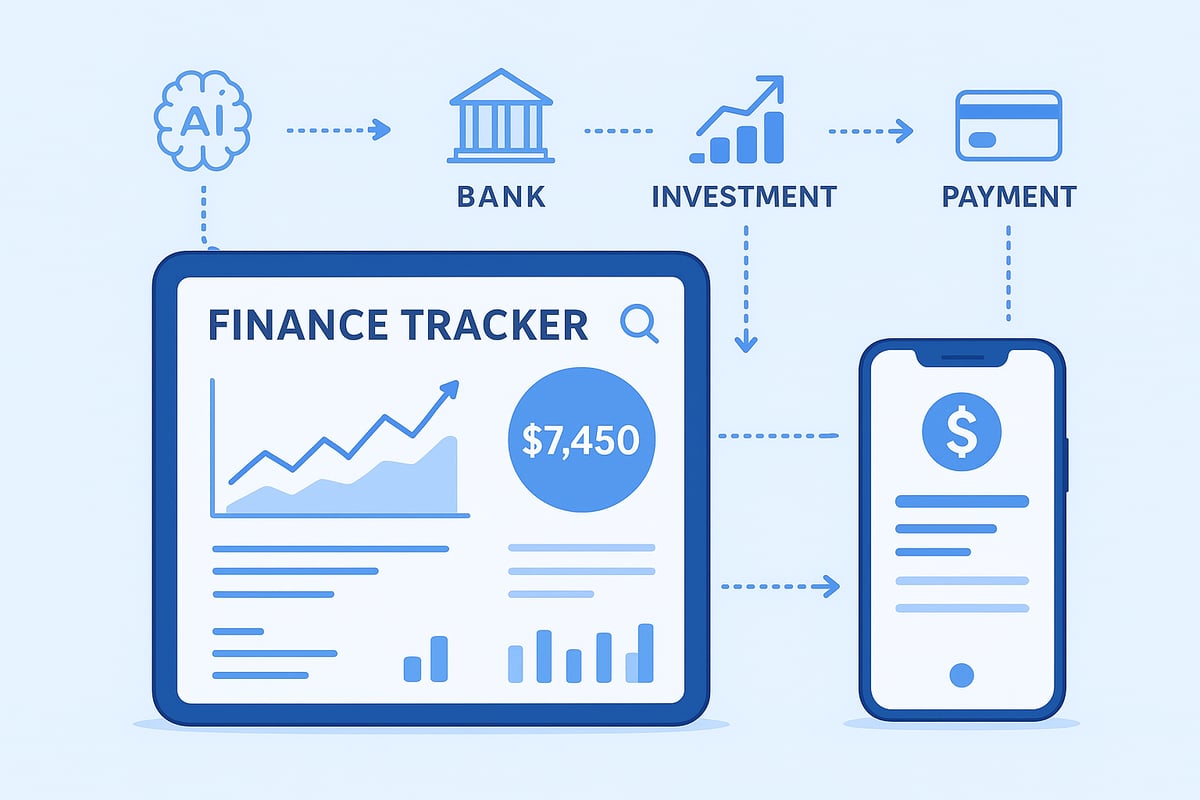
Automating Transactions and Categorization
Automating transactions is the backbone of an effective finance tracker. Most leading platforms allow you to set up rules that automatically categorize common expenses, such as groceries, utilities, or subscriptions. This minimizes manual entry and keeps your records up to date.
Recurring payments like rent, mortgage, or utility bills can be scheduled directly within your finance tracker. This ensures your essential expenses are always accounted for, reducing the risk of late payments.
Set rules for recurring expenses and income
Automate categorization for frequent transactions
Schedule future payments and transfers
For example, you can automate your rent and utility payments, so your finance tracker updates itself every month. This level of automation frees up time and reduces the chances of missing critical transactions.
Integrating with Other Financial Tools
A powerful finance tracker should connect seamlessly with your broader financial ecosystem. Modern apps offer integration with banks, investment platforms, tax software, and payment services, providing a unified dashboard for all your accounts.
API integrations are available for advanced users who want to sync their finance tracker with custom tools, such as a personal CRM or business management software. This enables real-time updates and deeper insights.
Connect to multiple banks and cards
Sync with investment and retirement platforms
Export data to tax preparation software
For instance, syncing your finance tracker with your investment account allows you to monitor portfolio performance alongside your daily spending. This integration delivers a holistic view of your finances, supporting smarter decision-making.
Leveraging AI and Machine Learning
Artificial intelligence is revolutionizing how we track our finances. AI-powered tools now personalize recommendations, detect spending anomalies, and automate regular financial health checkups. In fact, AI-driven trackers reduce manual entry by up to 70%.
You can receive real-time suggestions on budgeting, saving, and investing, all tailored to your unique habits. AI also flags suspicious activity, providing an extra layer of security.
To learn more about these advancements, explore this resource on AI in Personal Finance Management, which highlights the latest AI-driven financial tools and their impact on user engagement.
With AI, your finance tracker becomes a proactive partner, not just a passive record-keeper.
Security and Privacy Automation
Security is paramount when automating your finance tracker. Leading platforms offer automated backups, robust data encryption, and continuous monitoring for unauthorized access or breaches.
Features like multi-factor authentication and auto logout after periods of inactivity protect your sensitive financial data. Automated alerts can notify you immediately if any suspicious activity is detected.
Enable regular encrypted backups
Monitor for unauthorized logins or changes
Use auto logout for added safety
By prioritizing security automation, your finance tracker remains resilient against threats while still delivering seamless convenience. Consistently updating your settings and staying informed about new features ensures your financial data is always protected.
Analyzing and Improving Your Financial Habits
Effectively analyzing your financial habits is the key to lasting financial improvement. With a finance tracker, you gain a clear, data-driven perspective on your money, helping you make smarter decisions and reach your goals.
Reviewing and Interpreting Analytics
Your finance tracker provides dashboards and visual reports that make it easy to interpret your spending and saving patterns. These analytics reveal trends, such as monthly spikes in dining out or seasonal expenses.
Common metrics to monitor include:
Total monthly spending by category
Savings rate and investment growth
Top expense categories over time
By consistently reviewing these insights, you can quickly identify patterns and adjust your habits. Many modern trackers use AI to surface key trends and even provide actionable suggestions. According to AI's Role in Personal Finance, AI-driven analytics are making it easier for users to spot opportunities for saving and avoid costly mistakes. This empowers you to take control of your financial journey with confidence using your finance tracker.
Setting and Adjusting Goals Based on Data
As you gather more data in your finance tracker, revisit your financial goals regularly. Analytics help you assess your progress toward targets like building an emergency fund, paying off debt, or saving for travel.
Use the insights from your finance tracker to:
Refine your budget categories
Increase or decrease savings targets
Adjust investment contributions after salary changes
For example, after reviewing your annual report, you might notice room to boost your monthly savings rate. This adaptive approach ensures your goals stay realistic and motivating as your circumstances evolve.
Building Accountability and Positive Habits
Accountability is essential for building lasting financial habits. A finance tracker can help by letting you share progress with family or accountability partners, keeping everyone aligned with shared goals.
Ways to boost accountability:
Set reminders for check-ins and milestones
Celebrate achievements, like paying off a credit card
Use tracker features to gamify progress with badges or streaks
By making your habits visible and rewarding, your finance tracker encourages consistency and helps you stay motivated throughout the year.
Preventing Common Pitfalls
Many users fall into traps like emotional spending or neglecting to update their finance tracker. To avoid these pitfalls, use tracker data to spot risky behaviors early and set up alerts for overspending.
Tips to prevent common mistakes:
Review impulse purchases at the end of each month
Set up notifications for unusual account activity
Regularly back up your tracker data to avoid loss
According to a 2024 user survey, 65% of finance tracker users reported improved discipline after six months. By staying vigilant and proactive, you can leverage your finance tracker to build healthier financial habits and achieve your long-term objectives.
Best Practices and Expert Tips for 2025
Mastering your finance tracker in 2025 is about more than just data entry or automation. By following expert-backed best practices, you can build a resilient and adaptable system that supports your financial goals through every stage of life. Let’s explore the most effective strategies for long-term success.
Staying Consistent with Daily and Weekly Reviews
Consistency is the foundation of effective finance tracker use. Set aside a specific time each week, such as a 10-minute Sunday review, to check your transactions, update categories, and analyze your spending. Short daily check-ins help you stay on top of new purchases and spot errors early.
Review recent transactions for accuracy
Categorize new expenses promptly
Compare spending to your planned budget
Building these habits ensures your finance tracker reflects your real financial situation. Regular reviews make it easier to adjust your budget and keep your financial goals in sight. With practice, these routines become second nature, supporting long-term discipline.
Customizing for Life Events and Changing Needs
Your financial life evolves, and your finance tracker should adapt as well. When major milestones occur, such as getting married, starting a new job, or welcoming a child, revisit your categories and budgets.
Add or modify categories like “baby expenses” or “moving costs”
Update income sources and recurring bills
Set new savings or debt goals for each life change
Personalization keeps your finance tracker relevant and actionable. Customizing your setup ensures you always have a clear overview, no matter how your circumstances shift. This flexibility is essential for staying proactive and organized.
Leveraging Community and Support Resources
No one needs to master their finance tracker alone. Tap into online forums, user groups, and support chats to troubleshoot issues, explore new features, or discover creative solutions. Many users find value in peer advice and shared experiences.
Join finance tracker Discord communities
Participate in online Q&A sessions or webinars
Explore guides, such as the Notion dashboard templates guide, for inspiration and practical tips
Engaging with a community can boost your confidence and motivation. Learning from others’ successes and setbacks helps you maximize your finance tracker’s potential and stay current with best practices.
Data Security and Privacy in 2025
Protecting your financial data is more important than ever. Choose finance tracker apps that comply with the latest privacy regulations, like GDPR or CCPA, and regularly update your software for security patches.
Use strong, unique passwords and enable multi-factor authentication
Review app privacy policies for transparency
Schedule regular data backups and monitor access logs
Staying informed about security trends and threats is crucial. As AI continues to shape the financial landscape, consider reading about AI's Impact on Wealth Management to understand how new technology can affect your personal finance tracker setup.
Maintaining Motivation and Avoiding Burnout
Long-term finance tracker success depends on motivation. Set realistic goals and celebrate small milestones, such as a month of sticking to your budget or reaching a savings target. Many modern tools use gamification to keep users engaged.
Enable achievement badges or streak counters
Reward yourself for progress, like a special treat or outing
Share your wins with family or accountability partners
By keeping your experience positive and rewarding, you’re more likely to maintain good habits and avoid burnout. Small celebrations reinforce your commitment to financial health.
Future-Proofing Your Finance Tracker Setup
Technology and personal finance needs will continue to evolve. Future-proof your finance tracker by staying informed and ready to adapt. Regularly check for app updates, explore new features, and keep an export of your data for emergencies.
Update your software and review new integrations
Explore migration options to new platforms if needed
Keep backup copies of your financial data in secure locations
Planning ahead ensures your finance tracker remains a reliable tool, even if your favorite app changes or new innovations emerge. This proactive approach protects your hard work and financial insights for years to come.
Now that you understand how to choose, set up, and truly get the most out of your finance tracker, you might be wondering how to make this process even smoother and more tailored to your goals. If you want a system that’s both powerful and easy to customize, Notion templates can be a game-changer—especially when they’re designed with real-life needs in mind. BlocksPad offers carefully crafted templates to help you track expenses, manage budgets, and stay organized as life evolves. Ready to take your next step toward financial clarity in 2025? Discover Notion Templates